

Suppliers can make or break your operations. Late deliveries, hidden costs and compliance gaps don’t just dent margins: they ripple across projects, teams and customers. The good news? Supplier performance management (SPM) software turns that chaos into clarity.
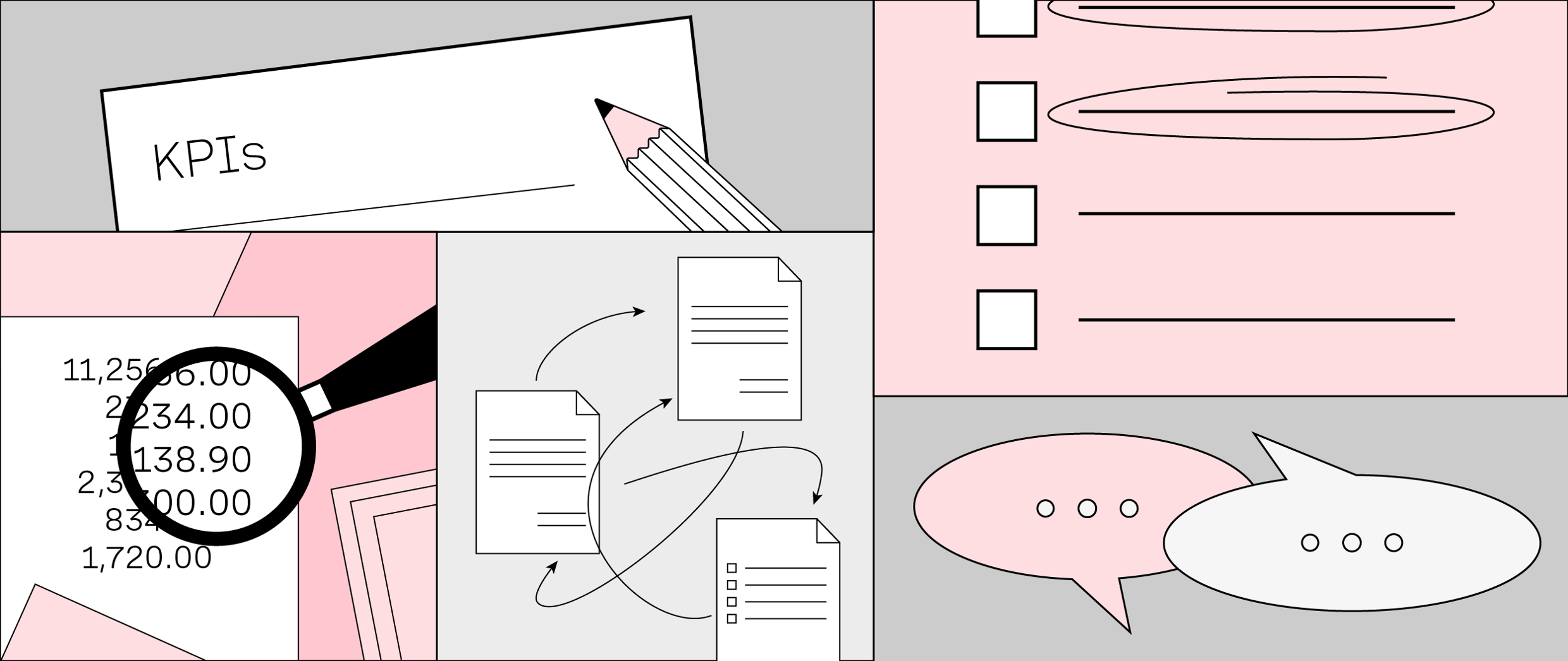
Instead of spreadsheets and guesswork, modern SPM tools pull contracts, KPIs, invoices, audits and communications into one place. And with live scorecards, risk alerts and key insights, you can fix problems before they snowball.
In this article, we’ll cover what supplier performance management software (SPM) is and introduce you to 9 tools to take your SPM efforts to the next level.
Key takeaways:
- SPM is a mix of tools. Combine SRM, procurement/eSourcing, spend management, risk and compliance and performance analytics and scorecards to get the best out of every supplier relationship.
- Visibility drives performance. Real-time views of spend, KPIs and contracts help you spot issues early and hold vendors accountable.
- Alerts, approvals and workflows reduce manual chasing so teams can focus on outcomes, not paperwork. Automation beats admin – it’s that simple.
- When choosing your tools, prioritise ease of use. Clean UI and clear reporting ensure procurement, finance and compliance are aligned and actually use the system.
What is supplier performance management (SPM) software?
Supplier performance management (SPM) software refers to digital tools that help businesses track, measure and improve the way their suppliers deliver – from quality and timeliness to compliance and cost-effectiveness. They're all about turning supplier oversight from a reactive, paper-heavy chore into a strategic, data-driven advantage.
In the past, keeping tabs on suppliers often meant juggling spreadsheets, chasing down paperwork and relying on gut feelings.
Were deliveries arriving on time? Were service levels slipping? Was a supplier meeting contractual and compliance obligations? Too often, the answers came only after problems had already disrupted operations. Luckily, those days are behind us.
Today’s SPM tools pull all your supplier data – contracts, KPIs, audits, invoices and communications – into one centralised hub. They give you real-time scorecards, risk alerts and performance analytics so you can see exactly who’s delivering, who’s falling short and where improvement efforts should go.
These platforms do more than just keep your supplier files in order. They help you spot risks early, hold vendors accountable and identify opportunities to build stronger, more cost-efficient partnerships. The result? Fewer surprises, tighter compliance and a healthier, more resilient supply chain.
From spend management platforms that shine a light on supplier costs, to risk and compliance tools that keep your vendors in check, to analytics dashboards that track performance at a glance – there’s a whole ecosystem of solutions designed to help you get the best out of every supplier relationship.
Still managing suppliers with a patchwork of emails and spreadsheets? We’re here to make a case for bringing clarity, control and confidence to your supply chain.
Supplier relationship management (SRM) software
Strong relationships drive better performance – and that’s what supplier relationship management (SRM) software is all about. SRM software centralises supplier information, communications and collaboration, giving you a complete view of every vendor.
From onboarding to performance reviews, these tools make it easier to work strategically with suppliers, solve issues quickly and build partnerships that deliver long-term value.
1. SAP Ariba Supplier Management
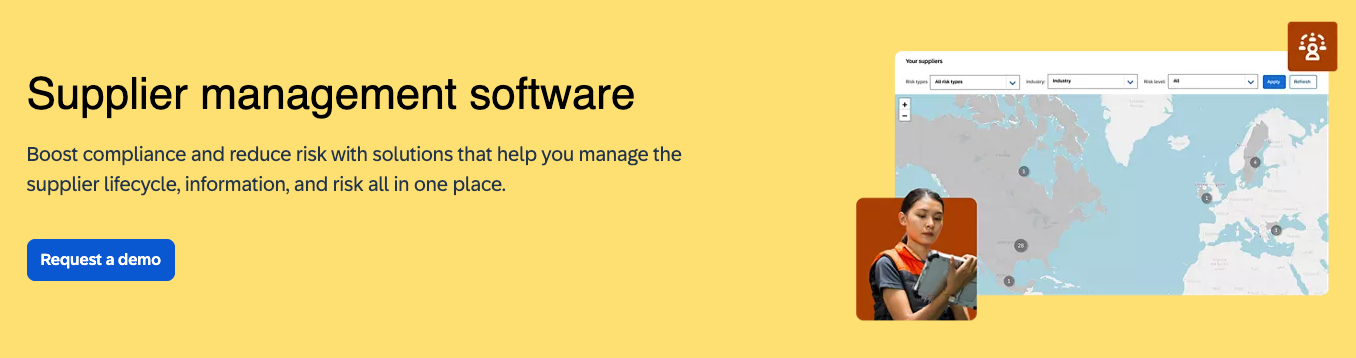
A heavyweight in supplier lifecycle management, SAP Ariba streamlines everything from onboarding to performance evaluation. It gives you real-time visibility into supplier data, risk factors and compliance – all in one integrated platform.
SAP Ariba pros:
- Ease of use
- Procurement efficiency
- Supplier management
- Intuitive
Source: G2
2. Ivalua
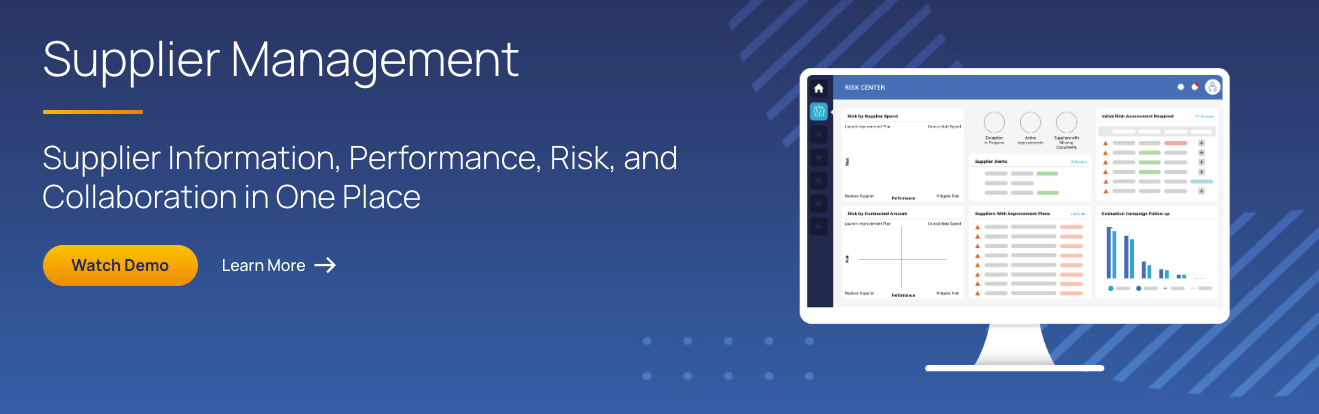
Ivalua takes SRM beyond basic record-keeping, giving you a unified view of supplier information, risk profiles and collaboration history. With strong analytics and workflow automation, it helps you turn supplier data into smarter sourcing – and stronger partnerships.
Ivalua pros:
- Features
- Customisation
- Ease of use
- Flexibility
Source: G2
Procurement and eSourcing tools
Get the right suppliers, at the right price, faster. Procurement and eSourcing tools streamline everything from RFPs to final contracts, ensuring you select vendors based on performance, quality and value – not just cost.
These tools help you compare bids, negotiate better deals and make informed choices that improve supplier outcomes from day one.
3. Coupa
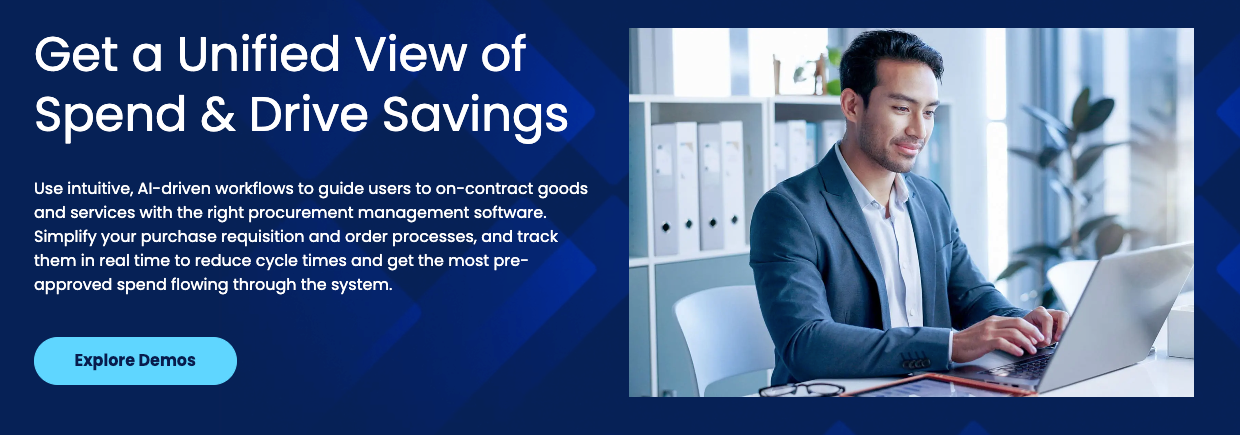
Coupa’s procurement platform makes sourcing smarter with AI-driven insights, automated workflows and clear spend visibility. Compare suppliers, run tenders and track outcomes – all whilst keeping costs in check and performance high.
Coupa pros:
- Ease of use
- Features
- Intuitive
- Efficiency
- User interface
Source: G2
4. GEP SMART

From sourcing events to contract management, GEP SMART covers the full procurement cycle in one intuitive platform. Its analytics-driven approach helps you select the best suppliers and negotiate deals that maximise value and reduce risk.
GEP SMART pros:
- Ease of use
- AI functionality
- Analytics
- Automation
Source: G2
Spend management platforms
Keep a finger on the pulse of every pound spent. Spend management platforms centralise all supplier and operational expenses in one place, making it easy to track invoices, manage budgets and enforce policies in real time.
With analytics, automation and seamless categorisation, you can turn raw spend data into actionable insights, helping you strengthen supplier relationships and make sharper, faster decisions.
5. Pleo
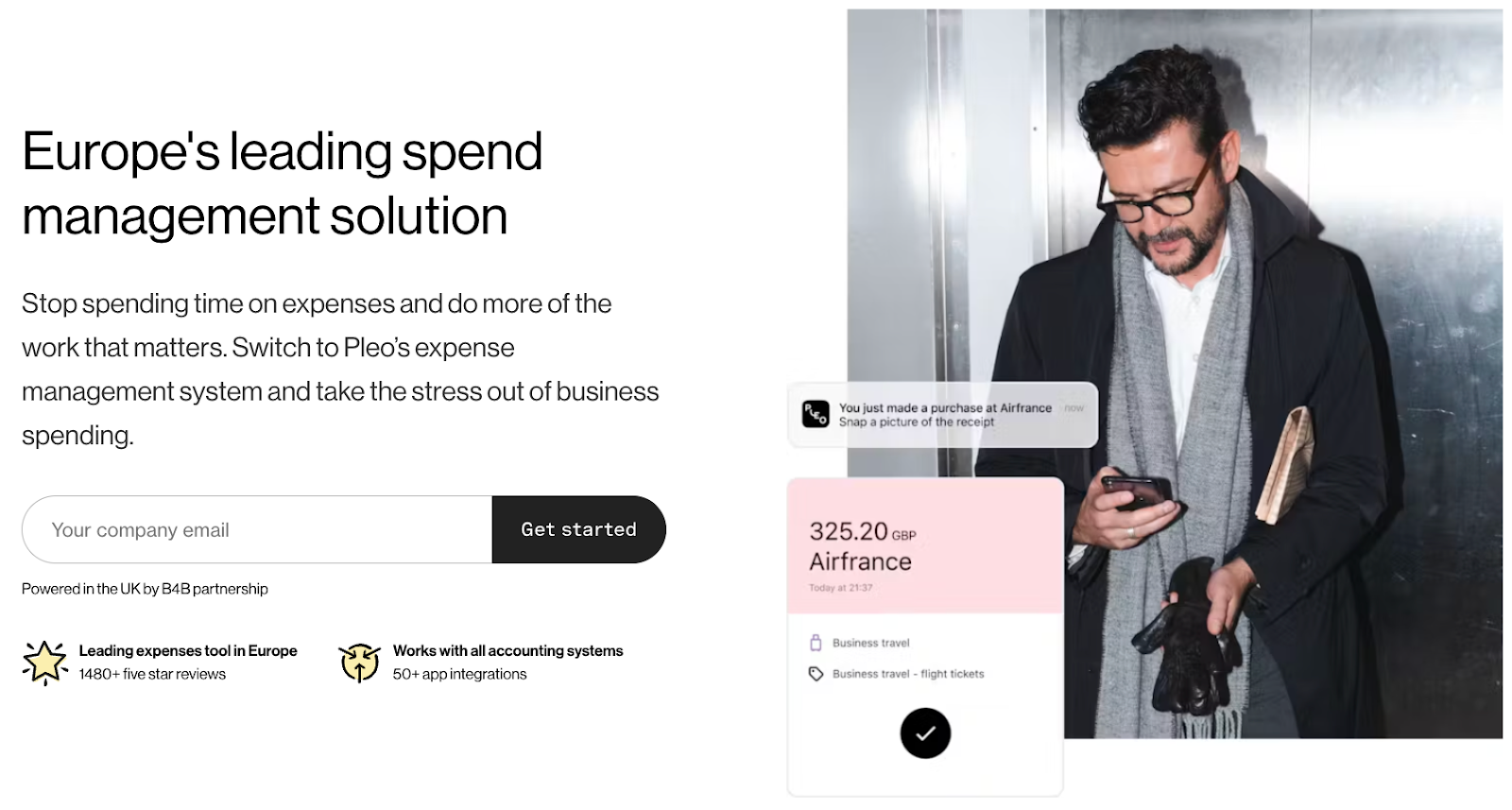
With more than 1,480 five star reviews, Pleo is Europe’s most loved and trusted spend management platform.
With Pleo, you can track and manage supplier-related spend in one centralised place – from recurring service contracts and vendor invoices to ad-hoc purchases. Smart automation and intuitive tools make it easy to monitor budgets, enforce procurement policies and approve expenses in real time, rather than after the fact.
Turn supplier spend data into actionable insights with powerful analytics, automated workflows and seamless categorisation. Spend less time chasing paperwork and more time optimising supplier relationships and making strategic, data-driven decisions.
Pleo pros:
- Ease of use
- Seamless integrations
- Easy upload
- Expense management
- Simplicity
Source: G2
Not convinced? Check out this amazing review from Financial Accountant Ghitha S.:
“Since our company is based in Europe, Pleo truly understands and provides services that align with European regulations. It integrates seamlessly with our accounting system, making our work much easier. [...] We used to rely on multiple expense apps, but now we’ve replaced them all with Pleo[.]”
Supplier risk and compliance management solutions
Supplier risks can become costly problems – and supplier risk and compliance platforms are here to help you mitigate them before they do. From ESG violations to financial instability, these platforms track certifications, monitor regulatory adherence and flag potential issues.
With these insights, you can safeguard supply chain continuity, protect your brand and ensure every partner meets your standards.
7. Risk Ledger
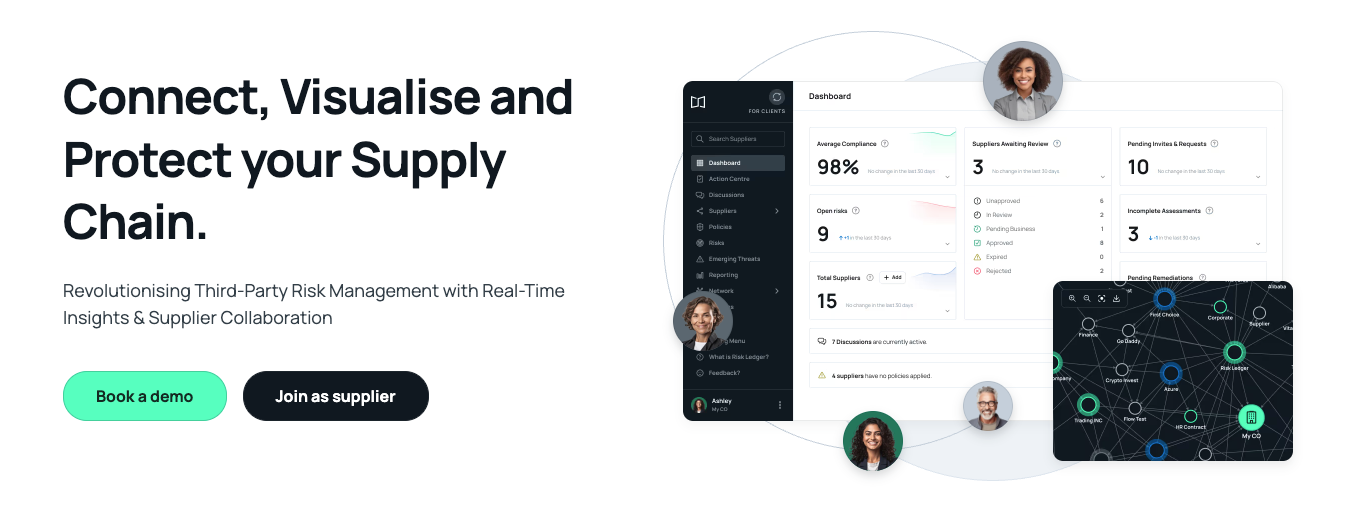
Risk Ledger takes supplier risk management beyond simple checklists, giving you a live view of risks across your entire supply chain – including your suppliers’ suppliers. From cyber security to ESG compliance, it delivers continuous monitoring, easy assessments and a collaborative platform that keeps vendors accountable and your business protected.
Risk Ledger pros:
- Ease of use
- Time-saving
- Risk management
- Efficiency
- Helpful
Source: G2
8. Avetta
Avetta makes supplier compliance effortless by putting safety records, certifications and audit results at your fingertips. It spots red flags before they become costly problems, so you can work confidently with vendors who meet – and maintain – your operational and ethical standards.
Avetta pros:
- Ease of use
- Customer support
- Helpful
- User interface
- Compliance management
Source: G2
Supplier performance analytics and scorecard platforms
Measure what matters to drive improvement. Supplier performance analytics platforms compile KPIs from delivery times to defect rates, presenting them in clear dashboards and scorecards.
These tools highlight high-performing suppliers, identify underperformance and help you drive continuous improvement across your vendor base.
8. Kissflow Procurement Cloud
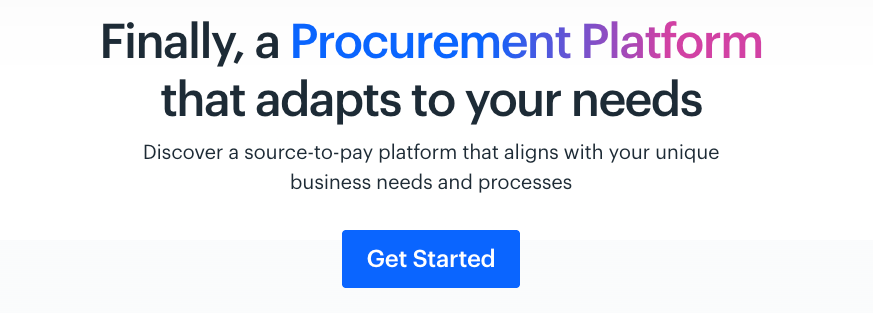
Kissflow unites procurement workflows and supplier performance tracking in one sleek platform. With customisable scorecards and real-time dashboards, you’ll instantly see which vendors deliver and where performance gaps are hiding – no more hopping between tools.
Kissflow pros:
- Ease of use
- Automation
- Flexibility
- Workflow management
- Customisation
Source: G2
9. Gatekeeper
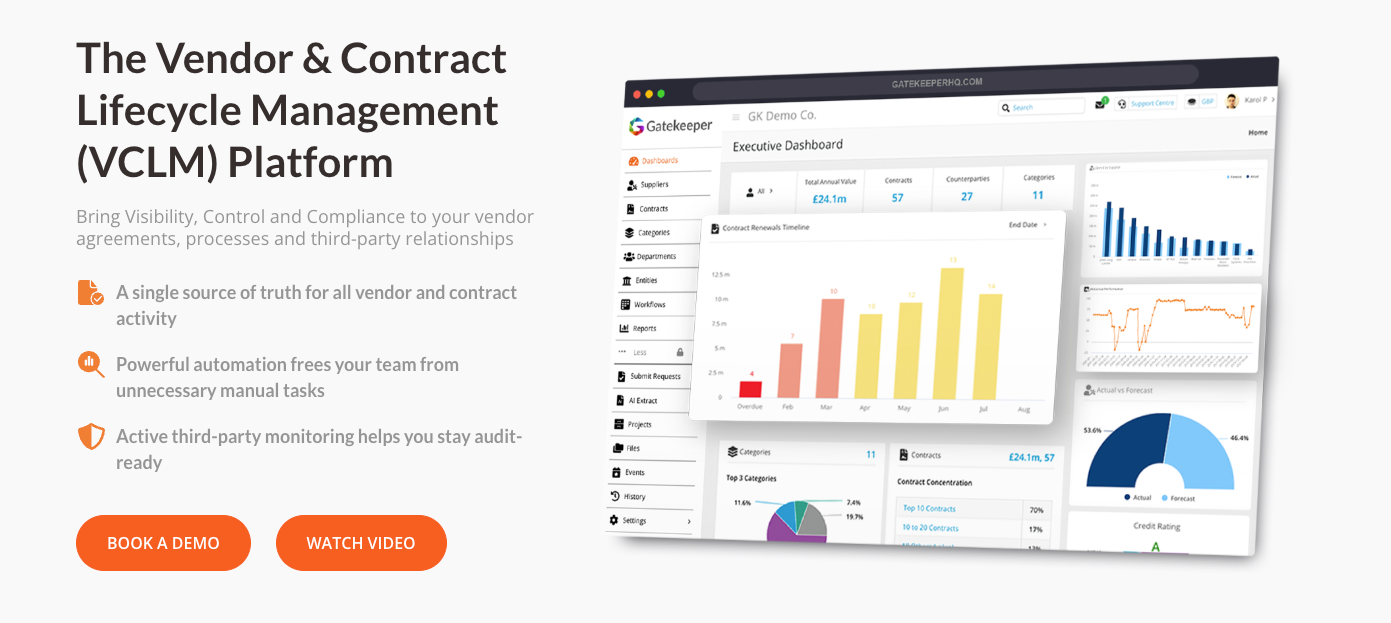
Gatekeeper fuses contract management with supplier analytics, giving you a sharp view of KPIs, compliance and risk forecasts. Its intuitive dashboards turn supplier oversight into a fast, crystal-clear process that keeps your vendor relationships on track.
Gatekeeper pros:
- Ease of use
- Customer support
- Customisation
- Implementation
Source: G2
What to look for in a supplier performance management tool
The tools we’ve covered approach supplier performance from different angles – some focus on risk and compliance, whilst others focus on procurement, analytics or spend tracking.
Not every tool is going to be the right fit for your business. With that being said, certain features are always worth prioritising if you want to keep your suppliers accountable, your costs under control and your supply chain running smoothly.
Here are some key elements to look for:
- Ease of use: Managing supplier performance shouldn’t mean wrestling with clunky dashboards. Look for tools with a clean, intuitive interface that lets you see supplier data, performance trends and action points at a glance.
- Real-time visibility into supplier spend: Costs can spiral if you can’t see them happening. Platforms like Pleo let you track supplier invoices, recurring payments and ad-hoc spend as they occur, giving you the chance to catch overspending or duplicate charges before they hit your budget.
- Automated performance tracking and alerts: Managing supplier performance shouldn’t mean wrestling with clunky dashboards. Look for tools with a clean, intuitive interface that lets you see supplier data, performance trends and action points at a glance.
- Customisable scorecards and KPIs: Every business measures supplier success differently. Choose a tool that lets you define and track the metrics that matter most to your operation – whether that’s on-time delivery, defect rates or responsiveness.
- Workflow automation for approvals and payments: The best tools cut admin time. With solutions like Pleo, you can set spending limits and automate approvals, keeping processes tight without slowing things down.
- Centralised supplier data and documentation: Contracts, invoices, performance receipts, compliance records – having them in one secure, searchable place makes life far easier, and it also ensures your procurement, finance and compliance teams are working from the same playbook.
- Strong reporting and analytics: Data is only useful if you can act on it. Look for clear dashboards and exportable reports that let you spot trends, compare supplier performance and back up strategic decisions with hard evidence.
The right supplier performance management tools should help you monitor spend, reduce risk, strengthen supplier relationships and drive continuous improvement – without adding more complexity to your day.
Final thoughts
Supplier performance management isn’t about buying the biggest platform: it’s about building the right stack for your business.
Start with the outcomes you need – fewer surprises, tighter compliance, better value – then layer in tools to make those outcomes happen: SRM for relationships, eSourcing for smarter selection, risk tools for assurance, analytics for improvement and spend management, like Pleo, to keep the numbers honest in real time.
Leave patchwork spreadsheets and reactive firefighting in the past where they belong. With the right mix of tools, you’ll gain clarity, control and confidence – and the agility to course-correct before small issues grow into costly problems.