

Mastering e-invoicing: The complete guide for 2026
The global e-invoicing market is at an all-time high – and it’s only growing. In the E-Invoicing Global Market Report 2024, the Business Research Company lists projections indicating growth from $15.98 (£12.93) billion in 2023 to $45.44 (£36.76) billion by 2028.
At a compound annual growth rate (CAGR) of 23.3%, it’s safe to say that e-invoicing is expanding rapidly, and it’s here to stay.
E-invoicing is also no longer just a nice-to-have convenience. With VAT compliance rules tightening and real-time invoice reporting on the rise, it’s quickly becoming essential for businesses of all sizes.
We’ll explore what e-invoicing is, why finance teams love it and what the push for e-invoicing looks like on a global scale.
Key takeaways:
- E-invoicing is more than a compliance requirement. It automates the invoicing process and ensures fewer errors, faster payments and better cash flow – all whilst cutting down on paper.
- Governments are pushing digital-first finance. Initiatives like VAT in the Digital Age (ViDA) in the EU and Making Tax Digital (MTD) in the UK mean staying compliant is more important than ever.
- Pleo Invoices helps you simplify your workflow, boost transparency and keep control of the whole invoicing process. You’re not just compliant; you’re also ahead of the game.
What is e-invoicing?
E-invoicing isn’t just about sending invoices digitally. It’s about the structured exchange of invoice data in standardised formats, such as XML or UBL, directly between systems. That structure eliminates manual steps, ensures accurate validation and keeps your invoices compliant with tax authorities.
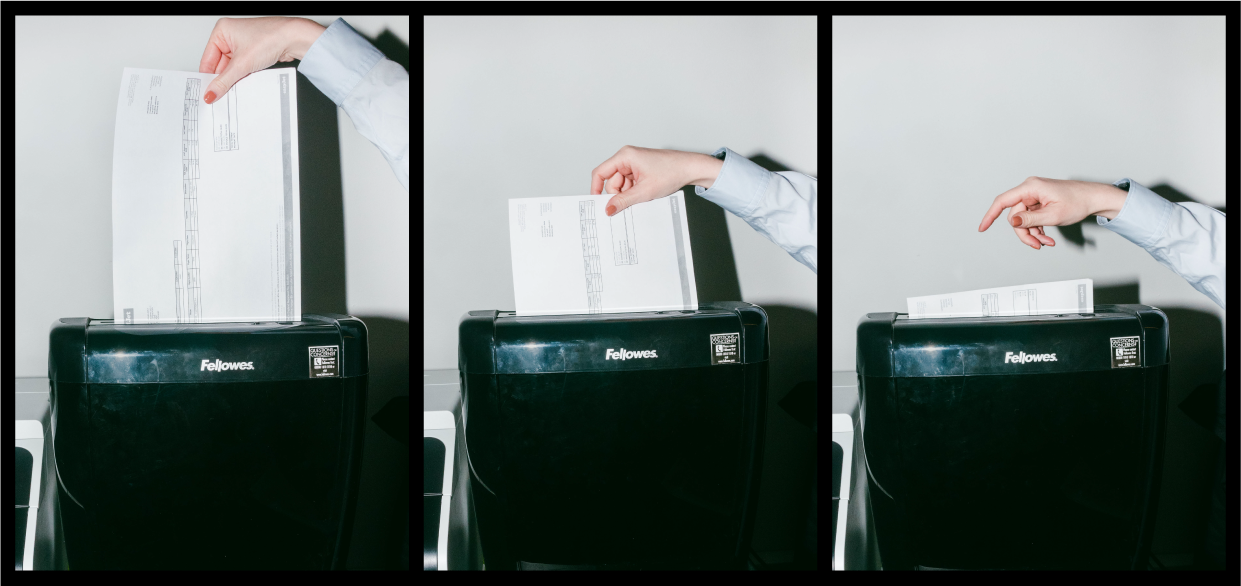
Paper-based invoicing involves all the tedious steps that make the invoicing process so time-consuming. The invoice has to be written or typed out, printed and posted. Once that’s done you have to wait for the approver to receive it – and hope it doesn’t get lost on the way.
E-mail invoicing, or digital invoicing, is a little more reliable, but still involves creating the invoice manually using tools like Word or Excel (that are all prone to human error). The file is then saved, attached and e-mailed. After sending, there’s typically no way to automatically track if the e-mail has been opened. In other words, you’re in the dark until you hear back from the approver.
E-invoicing is the better way. It’s more than just sending an email: it automates and streamlines the entire invoicing process.
It seamlessly integrates with ERP systems and tax portals to generate the invoice for you, pulling the necessary data from your system automatically. The invoice is then sent directly to the approver’s e-invoicing system or a secure portal, allowing you to keep track of when the invoice is received, opened, approved and paid – all in one place.
In short, the e-invoicing process gives you a level of control and transparency you simply can’t achieve with digital or manual invoicing.
Why finance teams love e-invoicing
In essence, e-invoicing is an upgrade to all your manual invoicing processes – and there are plenty of reasons for finance teams to love this. Here are some of the most important ones:
- Fewer errors, fewer headaches: There’s no way around it – manual invoicing means more mistakes. Whether it’s typos, missing information or miscalculations, errors slow everything down. E-invoicing handles the details for you, ensuring invoices are accurate and consistent every time. Your team spends less time fixing errors and more time focusing on the work that really matters.
- Faster payment processes: E-invoicing enables more efficient payment processing by automating invoice creation and approval workflows. This reduces manual intervention, speeds up approval times and minimises the risk of delays.
- Better cash flow = less stress: When invoices get paid faster, cash comes in quicker. You’ll have a steadier cash flow to cover expenses and make investments. No more scrambling because payments are late or you’re uncertain of invoice statuses – e-invoicing ensures it all runs smoothly.
- Stay on top of your taxes: Tax rules can be a headache – especially if you’re working with international clients. E-invoicing platforms, however, handle compliance with global tax laws automatically. They generate invoices that meet local standards, track everything for audits and keep you out of trouble. It’s like having a tax professional built into your system.
- Make a difference for the planet: E-invoicing allows you to shelve traditional paper invoices and keep everything electronic. Going paperless helps reduce your company’s carbon emissions, making it an essential part of improving your sustainability efforts.
In short, e-invoicing saves you time, reduces stress and helps your team focus on growing the business instead of chasing payments or fixing mistakes. What’s not to love?
You might also be interested in: Invoice management: The ultimate guide
The global push for e-invoicing compliance
E-invoicing isn’t just a tech trend – it’s becoming a global standard. Governments around the world are tightening rules to improve tax compliance, reduce errors and accelerate reporting. For finance teams, staying ahead of these changes is no longer optional: it’s essential.
Here’s a snapshot of current and upcoming e-invoicing requirements to keep on your radar:
EU: VAT in the Digital Age (ViDA)
The EU’s VAT in the Digital Age (ViDA) initiative is modernising VAT reporting and laying the groundwork for mandatory e-invoicing across member states.
What’s changing:
- Standardised e-invoicing formats are replacing traditional paper or simple digital invoices.
- Real-time or near-real-time VAT reporting will become the norm, requiring invoice data to be sent directly to tax authorities.
ViDA provides a flexible framework: each member state can implement its own rollout schedule. Many countries are already introducing local mandates, whilst others are planning phased adoption starting around 2028. This gradual approach ensures businesses can transition smoothly without disruption.
UK: Making Tax Digital (MTD)
The UK’s Making Tax Digital (MTD) programme is transforming how businesses handle VAT and other taxes.
What’s changing:
- Businesses must maintain digital records and submit VAT returns through approved MTD-compatible software.
- While structured e-invoicing is not yet mandatory in the UK, these digital recordkeeping rules are paving the way for broader adoption in the coming years.
MTD for VAT is already in effect for most businesses, and the UK government plans further expansions to Income Tax and Corporation Tax, so staying digitally prepared is key.
Germany: Mandated e-invoicing
Germany is taking a leading role in e-invoicing adoption.
What’s changing:
- From January 2025, all businesses must be able to receive structured e-invoices in formats such as XRechnung, ZUGFeRD, or Peppol BIS.
- The obligation to issue e-invoices will be phased in gradually between 2025 and 2028, depending on company size and turnover.
- Invoices must be validated for structure and content to ensure compliance, particularly for VAT reporting.
This shift improves transparency, streamlines invoicing processes and helps prevent errors in cross-border and domestic transactions.
What this means for finance teams
For finance teams across the world, failing to meet these evolving requirements can have serious consequences:
- Financial penalties: Missing deadlines, submitting incorrect invoice formats or incomplete reporting can trigger fines.
- Payment delays: Customers may reject invoices that don’t meet e-invoicing standards, affecting cash flow.
- Reputational impact: Non-compliance can undermine trust with customers and suppliers.
- Operational complexity: Managing multiple country-specific requirements manually is time-consuming and error-prone.
So what should finance teams do?
Other than keeping track of evolving regulations in the EU and UK, the most important step is to invest in an e-invoicing solution or platform that automates compliance across countries. You’ll want to do this sooner rather than later, as transitioning to e-invoicing takes time. Start adopting systems now to avoid last-minute scrambles.
The future of e-invoicing
E-invoicing is evolving rapidly. It’s no longer just about efficiency: it’s about reshaping business operations and bringing them into the future. Here’s a look at what’s on the horizon for e-invoicing:
- AI-driven automation: AI-powered systems are already detecting errors, categorising expenses and predicting cash flow based on invoice patterns. They can also automatically match invoices to purchase orders, contracts and delivery receipts, eliminating manual reconciliation.
- Real-time tax reporting: Across the world, governments are moving towards real-time VAT reporting, where invoices are sent directly to tax authorities as they’re issued to help reduce tax fraud. E-invoicing solutions will integrate seamlessly with government systems to ensure compliance with local and international regulations alike.
As environmental concerns grow, the shift to paperless invoicing will become non-negotiable. For this reason, governments may offer incentives for companies adopting e-invoicing as part of broader sustainability initiatives.
Even if they don’t, however, it’s worth getting on board now: consumers and business partners alike increasingly expect companies to prioritise sustainable practices. In other words, e-invoicing gives you a competitive advantage in a competitive market.
Stay ahead of the curve with Pleo Invoices
The future of e-invoicing is right around the corner – and Pleo Invoices is here to make sure you’re ready for it.
Pleo Invoices lets you capture, process, approve, pay and bookkeep your invoices, all under one roof. Here are some of the key benefits you can expect from Pleo Invoicing:
- Streamlined workflow: Pleo Invoices automates invoice generation, approval and submission, reducing manual tasks for finance teams and improving productivity.
- Compliance made easy: With Pleo, you don’t have to worry about breaking the rules. Pleo is built to meet evolving global and regional e-invoicing standards, ensuring hassle-free compliance for your e-invoices.
- Enhanced transparency and control: Pleo allows you to track invoices and payments in real time, giving you full transparency of invoice statuses. Seamless integration with accounting and ERP systems such as Xero, QuickBooks and SAP ensures better visibility throughout the invoicing process.
- Cost savings: With automation come lower administrative costs. Pleo Invoices helps you eliminate expenses related to traditional paper invoicing and error correction.
And that’s not all. Pleo Invoices supports the XML invoice format – a standardised format for structuring invoice data.
The XML format is designed to make invoices machine readable, ensuring they can be easily processed, shared and understood by different systems – without human intervention.
Many countries require XML formats for e-invoicing. Pleo Invoices supports XML-based formats including XRechnung (Germany), Factur-X (France), FatturaPA (Italy) and Facturae (Spain), as detailed in our Integration Guide.
Supporting XML invoices is essential for modern e-invoicing. It bridges the gap between businesses and tax authorities, ensuring smooth and compliance transactions globally. That’s exactly what Pleo Invoices is here to do.
Compliance is just the start – and with Pleo, you can get ahead of the curve. Try Pleo Invoices today and take the first step towards the future.