


Procurement is no longer just about purchasing: it’s a strategic function that impacts everything from cash flow and compliance to supplier relationships and business resilience. As businesses expand and spending gets more complicated, it's clear that smart, scalable procurement tools are essential.
Today’s procurement software solutions do far more than digitise paperwork. They give businesses the power to automate workflows, gain real-time spend visibility and make better decisions across the entire purchasing journey. Whether you’re building a procurement function from scratch or looking to modernise outdated systems, choosing the right software can be a game changer – and we’re here to help you do just that.
In this article, we’ll explore 9 software tools to boost procurement for your business – and how to find the best procurement solution for your needs.
Key takeaways:
- Procurement has evolved. Modern procurement software replaces manual processes with automation, centralised systems and real-time data, helping businesses gain control and reduce admin.
- There’s no one-size-fits-all solution. From spend management platforms and sourcing tools to enterprise-grade procurement solutions, different tools suit different business needs and complexity levels.
- The best procurement software solutions provide real-time insights into spend, smart approval flows and analytics that empower better decisions.
- A powerful platform is only useful if teams actually use it. Choose intuitive tools that work for finance, procurement and employees alike.
What is procurement software?
Procurement software refers to digital tools that help businesses manage the entire purchasing process, from sourcing suppliers and negotiating contracts to approving purchases and tracking spend – all with less manual work and more control.
In the past, procurement meant piles of paperwork, endless email chains and spreadsheets that quickly went out of date. Teams juggled vendor quotes, misplaced contracts and purchase requests without a centralised system to keep things on track.
Today, however, procurement has gone digital. Modern procurement software automates key workflows, connects teams with approved suppliers, streamlines approvals and helps businesses stay compliant, all whilst cutting down on admin and costly delays.
These tools don’t just save time: they bring visibility, control and strategy to what used to be a fragmented, reactive process. With real-time insights into spending, contract terms and supplier performance, finance and procurement teams can make smarter decisions – and build more resilient supply chains in the process.
From spend management platforms that track and control expenses, to eProcurement systems that handle everything from requisition to payment, supplier relationship management (SRM) tools that help you vet and manage vendors, contract lifecycle management solutions that keep agreements in check and sourcing and RFx tools that streamline supplier selection, there’s a whole ecosystem of procurement software designed to support every step of the purchasing journey.
Still relying on email threads, spreadsheets and guesswork to manage procurement? It might be time to explore what today’s tools can do for your business.
Spend management platforms
Spend management platforms help businesses keep a close eye on company spending – without drowning in receipts or approval chains. These tools give finance and procurement teams real-time visibility into who’s spending what, where and why.
With built-in controls, automated workflows and smart reporting, spend management platforms make it easier to stay on budget, prevent overspending and empower teams to buy what they need responsibly.
1. Pleo
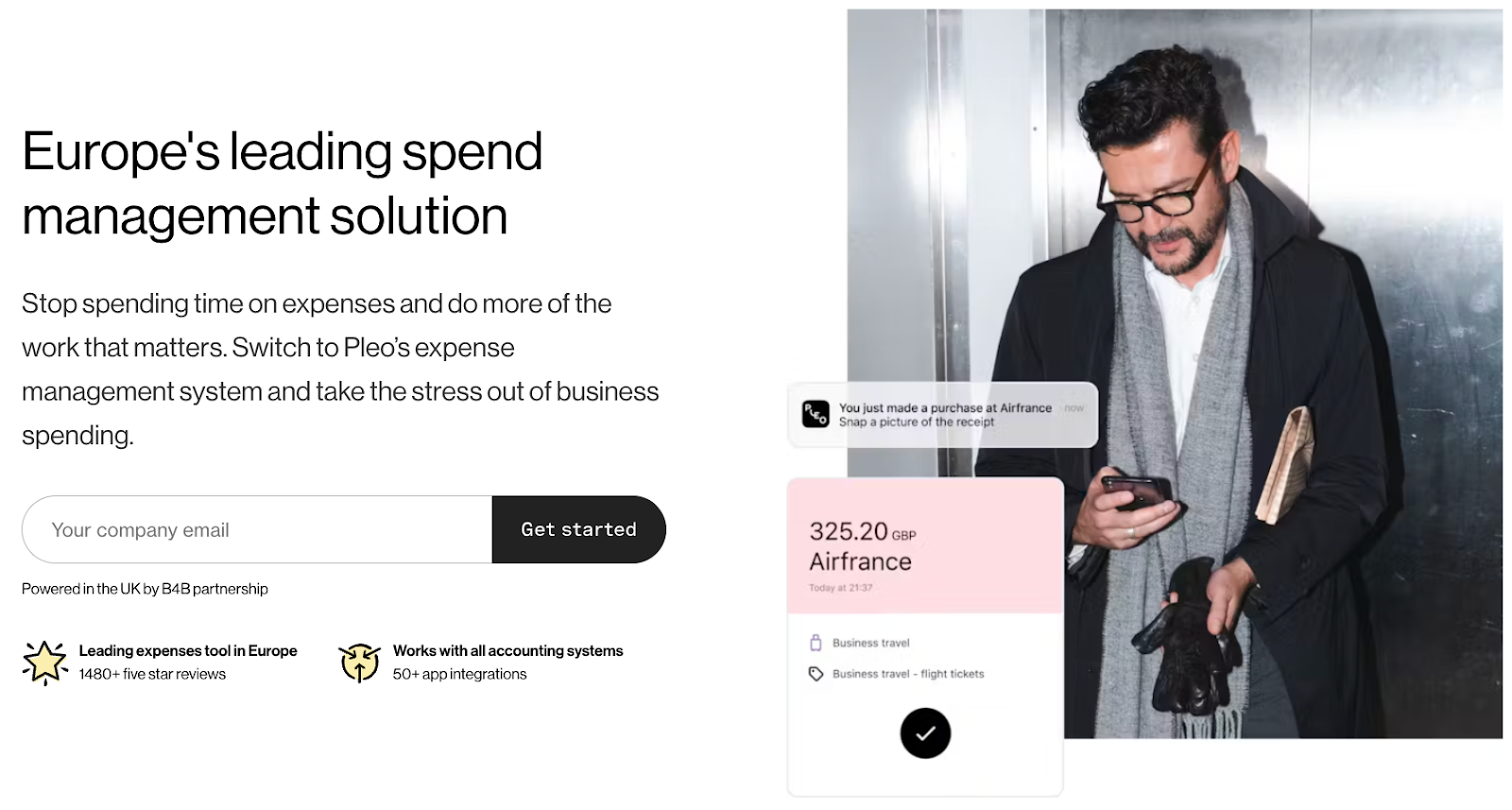
With more than 1,480 five star reviews, Pleo is Europe’s most loved and trusted spend management platform.
Whether it’s recurring subscriptions, team travel, supplier invoices or everyday business costs, with Pleo, you can track and manage spending in one centralised place. With smart automation and intuitive tools, you can monitor budgets, enforce policies and approve expenses as they happen – not weeks later.
Turn spend data into actionable insights with powerful analytics, automated workflows and seamless categorisation. The result? Less time chasing receipts and more time making strategic, data-driven decisions.
Pleo pros:
- Ease of use
- Seamless integrations
- Easy upload
- Expense management
- Simplicity
Source: G2
Still not sold? Check out this glowing review from Financial Controller William B.:
“As far as expense software goes, [Pleo] is easy to use both from a finance perspective but also for a non-financial individual. It is user-friendly and the steps to record and to upload your receipts are straightforward. It simplifies the whole process.”
eProcurement systems
From raising purchase requests and issuing POs to processing invoices and making payments, eProcurement systems bring the entire purchasing process online. They reduce paperwork, standardise workflows and help businesses enforce procurement policies at scale.
For growing companies with multiple departments or locations, eProcurement systems ensure that every purchase follows the right process – and no spend slips through the cracks.
2. Coupa
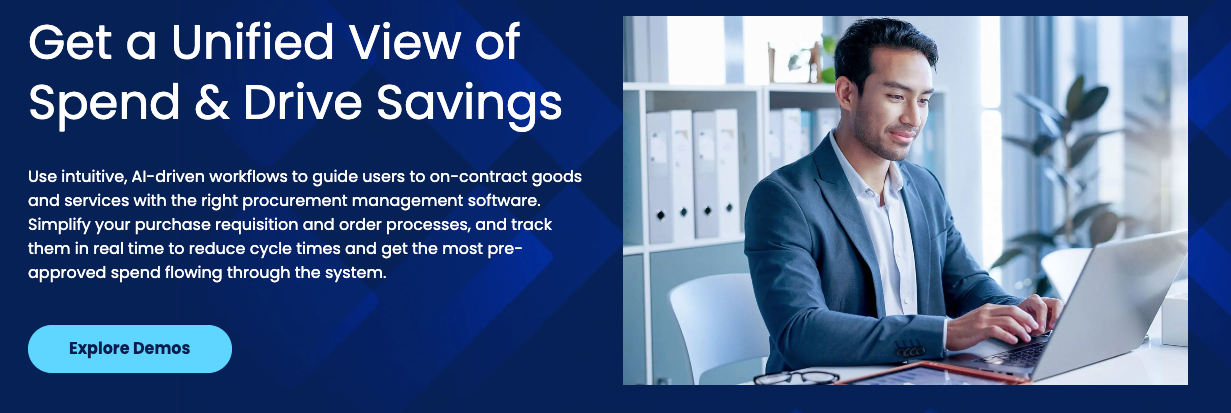
Coupa is one of the most recognisable names in business spend management – and for good reason. Its all-in-one platform brings together procurement, invoicing, expenses, sourcing and analytics to give companies total visibility and control over how money is spent.
With a clean interface and powerful insights, Coupa helps finance and procurement teams cut costs, boost compliance and make smarter decisions across the board.
Coupa pros:
- Ease of use
- Features
- Intuitive
- Efficiency
- User interface
Source: G2
3. SAP Ariba
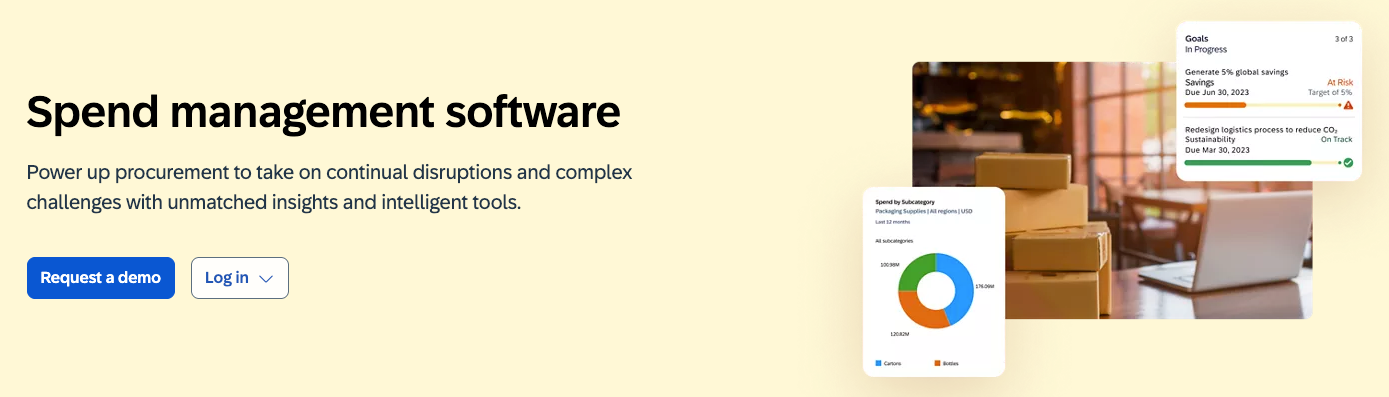
SAP Ariba is a heavyweight in the procurement world, offering a cloud-based platform that connects buyers and suppliers in one of the largest digital business networks globally.
The solution supports everything from day-to-day purchasing to long-term procurement strategy, offering tools for sourcing, supplier management, contract oversight and more. This makes it ideal for large organisations with complex procurement needs. If you're looking for scale, integration and a strong ecosystem, SAP Ariba delivers.
SAP Ariba pros:
- Ease of use
- Procurement efficiency
- Supplier management
- Efficiency
- Intuitive
Source: G2
Supplier relationship management (SRM) tools
Managing suppliers isn’t just about keeping a contact list – it’s about building strong, reliable relationships that support business goals. SRM tools help procurement teams onboard vendors, track performance, manage compliance and spot risks early.
With everything from supplier scorecards to risk profiles in one place, these tools help businesses reduce disruption, negotiate better terms and make supplier collaboration smoother and more strategic.
4. Oracle Procurement Cloud

Oracle Procurement Cloud is built for businesses that need robust tools, enterprise-level control and lots of customisation options. It streamlines everything from sourcing and purchasing to supplier qualification and analytics – all within Oracle’s unified business suite.
With real-time spend insights and automated workflows, it's a solid choice for companies ready to take procurement operations to the next level.
Oracle Procurement Cloud pros:
- User friendly
- Ease of implementation
- Accuracy
- Customisation
Source: G2
5. JAGGAER

JAGGAER offers a powerful, modular procurement suite that’s as versatile as it is comprehensive.
Whether you're sourcing suppliers, analysing spend, managing contracts or automating approvals, JAGGAER brings it all together with a strong focus on industry-specific needs. It’s especially popular in education, healthcare and manufacturing – sectors where compliance, complexity and cost control are non-negotiable.
JAGGAER pros:
- User interface
- Ease of implementation
- Customer support
- Customisation
Source: G2
Contract lifecycle management
Procurement contracts come with deadlines, deliverables and plenty of fine print – and CLM tools make sure nothing gets missed. These platforms help businesses create, store, track and renew supplier contracts with greater visibility and fewer errors.
By automating reminders and approvals, CLM tools reduce bottlenecks and compliance risks and keep procurement teams in full control of their commercial agreements.
6. Contractbook
Contractbook is a sleek, modern CLM platform built to take the chaos out of contract management. It helps procurement teams create, sign, store and track contracts in one collaborative workspace – with smart automations that reduce manual follow-up and keep every agreement on time and on terms.
Whether you're managing ten suppliers or a thousand, Contractbook keeps contracts moving without the mess.
Contractbook pros:
- Convenience
- Ease of use
- Easy setup
- Simple
- Time efficiency
Source: G2
7. Docusign
You probably know DocuSign for e-signatures – but it’s also a serious player in the contract lifecycle management space. DocuSign CLM helps procurement teams automate contract creation, streamline approvals and stay compliant with ease.
It’s fast, secure and designed to integrate with the tools your team already uses, making it easier to get contracts signed and sealed without delays or surprises.
Docusign pros:
- Ease of use
- Electronic signatures
- Efficiency
- Intuitive
Source: G2
Sourcing and RFx tools
Sourcing new suppliers can be a slow, manual process – but sourcing and RFx tools simplify it from start to finish. These platforms support everything from issuing RFPs and RFQs to evaluating bids and selecting the right vendors.
With built-in scoring, collaboration tools and transparent audit trails, sourcing platforms help teams make better purchasing decisions faster and drive more value from every supplier relationship.
8. Workday Strategic Sourcing Software
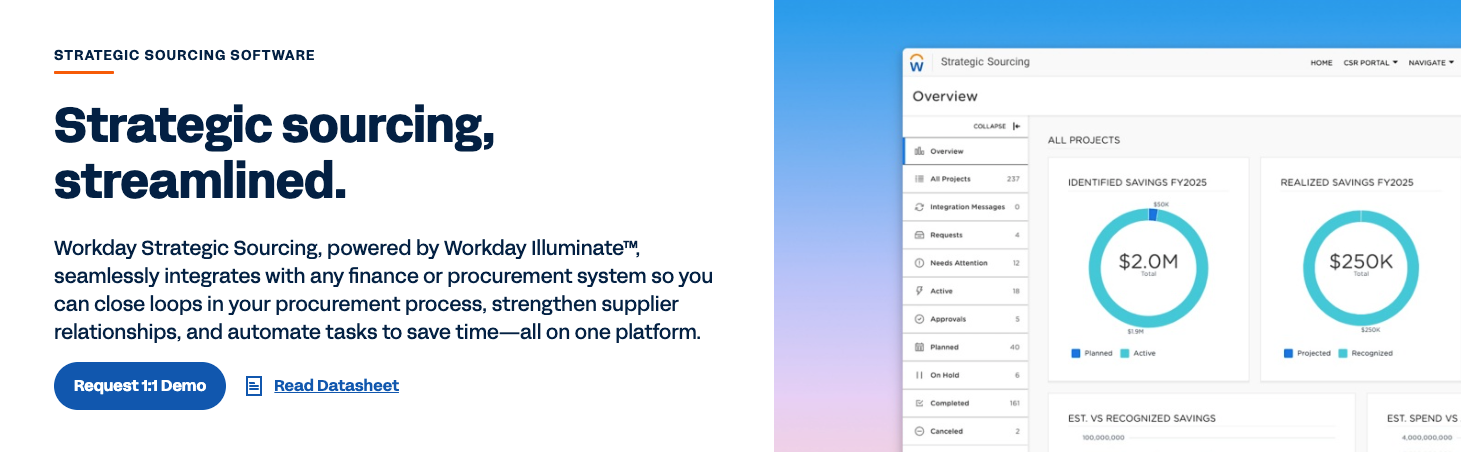
Workday’s sourcing solution keeps the process of finding and selecting suppliers smooth, transparent and collaborative.
Built with ease-of-use in mind, the software simplifies RFPs, tracks supplier responses and brings stakeholders into the decision-making process – all within the broader Workday ecosystem. If you're tired of clunky sourcing processes, Workday is a breath of fresh air.
Workday Strategic Sourcing Software pros:
- Intuitive
- Functionality
- User interface
- Customer support
Source: G2
9. Euna (formerly Bonfire)
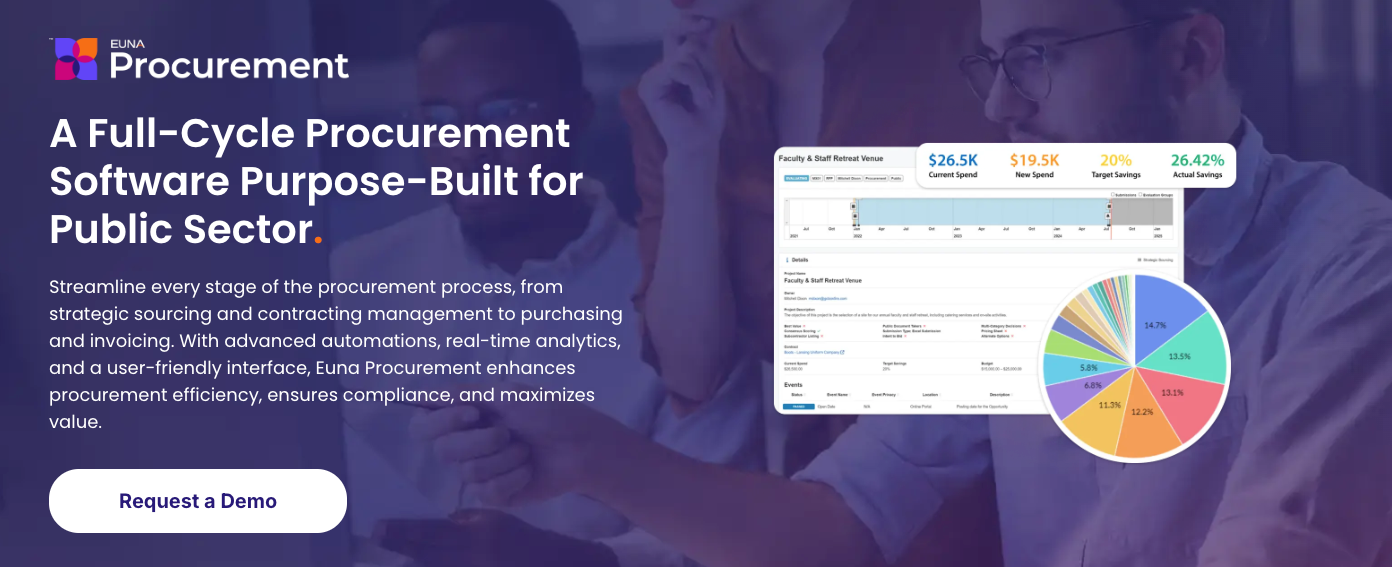
Euna (formerly Bonfire) is a sourcing and procurement platform built for teams that need transparency, structure and auditability – especially in the public sector. It offers side-by-side vendor comparisons, scoring tools, and collaborative workflows to make procurement decisions fair, fast and defensible.
If your sourcing process needs more rigour and less guesswork, Euna brings the firepower.
Euna pros:
- Ease of use
- Cost efficient
- Customer support
- Navigation
Source: G2 (Bonfire reviews)
How to find the best procurement software for your business
The tools listed above cover a wide range of procurement functions – from sourcing and supplier management to contract oversight and spend analytics. But if you’re looking for the best procurement software for your business, there are a few key features worth prioritising:
- Ease of use: Procurement software should simplify the process, not slow it down. Look for a tool that’s intuitive for everyone – from employees raising requests to finance teams managing budgets.
- Real-time visibility: Whether it’s supplier invoices or everyday team spending, you need to know what’s being spent, where and why. Tools like Pleo offer real-time tracking, helping you stay one step ahead of budget creep.
- Smart controls and approval flows: The best tools let you customise spending limits, approval rules and workflows so you stay in control without adding unnecessary admin.
- Automation and efficiency: From purchase requests to invoice reconciliation, automation helps reduce manual work and minimise errors. Choose a tool that takes care of the busywork so your team can focus on strategy.
- Integrated spend insights: Great procurement platforms don’t just track spend – they make sense of it. Look for built-in analytics that help you identify trends, manage budgets and make better decisions, faster.
- Good value for money: Make sure you get what you’re after. Compare the different tools’ pricing models with the value and features they offer and weigh the potential benefits against the cost.
In the end, the right procurement software should give you greater control, clearer visibility and fewer surprises – whilst making life easier for teams across the business.
Final thoughts
From supplier sourcing to contract management and spend visibility, procurement software has become essential for businesses that want to stay agile, compliant and cost-effective. The right tool doesn’t just streamline the buying process: it helps you reduce risk, boost collaboration and unlock smarter financial decisions.
Whether you're a growing company looking to formalise your procurement process or an enterprise wanting tighter control, there’s a solution out there to match your needs. Just make sure it fits your team, your workflows and your goals – not the other way around.