



Out-of-pocket expenses may seem small, but they add up over time. A coffee here, a taxi there, a last-minute subscription charged to a personal card – they all create extra work for employees and unnecessary complexity for finance teams.
Fortunately, in 2026 managing out-of-pocket expenses has moved on from chasing receipts, juggling spreadsheets and processing reimbursements weeks after the fact. Today’s finance teams have access to an ever-growing ecosystem of tools designed to make business spending simpler, more transparent and easier to control.
From spend management platforms and accounting software to travel and subscription management solutions, we’ll explore seven tools that help businesses stay on top of out-of-pocket expenses and how they support a smoother, smarter approach to managing employee spend in 2026.
- Out-of-pocket expense tools are designed to replace manual processes with automation, giving employees an easier way to spend on behalf of the business whilst giving finance teams real-time visibility and control.
- Out-of-pocket expenses are best managed at the source. Instead of reimbursing employees after the fact, modern tools help businesses capture, categorise and control spend as it happens, reducing errors, delays and frustration.
- No single tool does everything. Managing out-of-pocket expenses often requires a combination of spend management, accounting, travel and subscription tools working together as a connected stack.
- The right setup scales with your business. Choose tools that integrate seamlessly, adapt to different workflows and grow with your organisation – whether you’re managing a handful of employees or operating across multiple markets.
What are out-of-pocket expense tools?
Out-of-pocket expenses are those everyday business costs employees end up paying for themselves – a client lunch, office supplies, a taxi to a meeting or a last-minute software subscription.
Managing these expenses used to be a very manual affair. Think paper receipts, clunky spreadsheets and long email chains chasing approvals. The process typically went something like this: employees paid out of pocket, kept hold of receipts (or didn’t), filled in an expense form weeks later and waited – often far too long – to be reimbursed.
For finance teams, this meant missing receipts, inconsistent data, unclear policies and a constant game of catch-up. More often than not, this meant frustrated employees, limited visibility into spend and plenty of room for errors and delays.
Thankfully, things have moved on.
Today, out-of-pocket expense management is supported by a growing ecosystem of digital tools designed to remove friction from every step of the process. From spend management platforms, company cards and receipt capture to accounting integrations, travel tools and subscription and billing management platforms, businesses now have smarter ways to handle expenses without relying on manual workarounds.
Instead of chasing receipts after the fact, expenses can be captured in real time. Instead of reimbursing employees weeks later, companies can give teams the tools to spend company money responsibly from the start. And instead of juggling disconnected systems, finance teams can rely on integrated software that brings spend data together in one clear, auditable view.
In short, out-of-pocket expense tools exist to make work expenses feel less like a burden – for employees and finance teams alike.
7 tools for staying on top of out-of-pocket expenses in 2026
Out-of-pocket expenses don’t have to be synonymous with swamped finance teams and frustrated employees. We’ll walk you through seven standout tools that make managing these expenses a walk in the park.
In the table below, you’ll find a quick overview of the solutions covered:
|
Software |
Category |
G2 rating |
Pricing |
|
Pleo |
Corporate spend and expense management platforms |
4.7/5 |
Starting at £9.5 per month for up to 3 users |
|
QuickBooks Online |
Accounting and ERP integration tools |
4/5 |
Starting at £1.60 per user per month |
|
Xero |
Accounting and ERP integration tools |
4.4/5 |
Starting at £2.40 per month for quotes and up to 20 invoices |
|
TravelPerk |
Business travel and expense software |
4.6/5 |
Offers a free version, with priced tiers starting at £99 per month |
|
Navan |
Business travel and expense software |
4.7/5 |
Offers a free version, with quote-based price plans |
|
Chargebee |
Subscription and bill management platforms |
4.4/5 |
Offers a free version, an annual subscription and a quote-based plan |
|
Zoho Billing |
Subscription and bill management platforms |
4.4/5 |
Starting at £19 per organisation per month |
Corporate spend and expense management platforms
Out-of-pocket expenses are often a symptom of a bigger problem: employees paying for work expenses because the right tools aren’t in place. Corporate spend and expense management platforms are designed to fix that. These tools combine company cards, receipt capture, approvals and real-time spend visibility, allowing employees to pay directly with company funds instead of waiting weeks to be reimbursed. Less friction for employees, fewer surprises for finance – far more transparency across business spend.
1. Pleo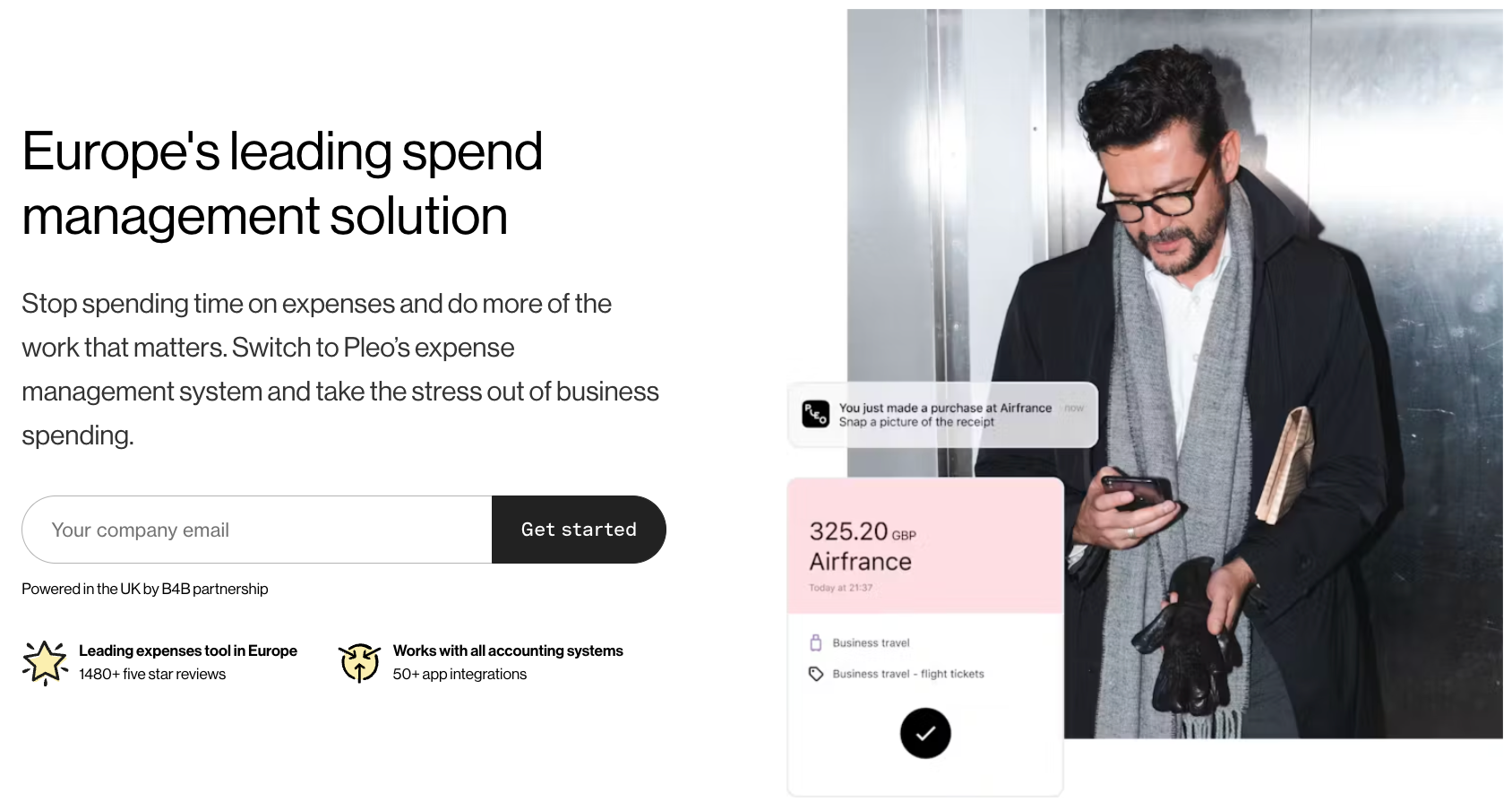
With more than 2,000 five-star reviews, Pleo is Europe’s most loved spend management platform, trusted by thousands of teams to take the pain out of business spending – especially out-of-pocket expenses.
Instead of employees paying upfront and chasing reimbursements later, Pleo gives you a smarter way to spend from the start. With smart company cards, you can capture every purchase in real time, add receipts on the go and apply policies automatically.
For finance teams, that means full visibility and control without the manual admin. Say goodbye to spreadsheets and receipt chasing with automated approvals, spending limits and seamless accounting integrations, and turn expense data into clear, actionable insights with built-in analytics.
Put them all together, and you get fewer out-of-pocket claims, happier employees and more time for finance teams to focus on what really matters.
Pros and key functionalities:
- Instant visibility into out-of-pocket spend: See every purchase in real time, so budgets and cash flow are always under control.
- Automated expense capture: Match receipts, invoices and card payments automatically – no more manual entry or lost paperwork.
- Smart approval flows: Flexible rules keep spending in check without slowing teams down or creating bottlenecks.
- Seamless integrations: Sync Pleo with tools like Xero and QuickBooks for fast, accurate reconciliation.
- Actionable spend insights: Clear analytics highlight spending trends, flag potential issues and help finance teams make informed choices.
Reasons to choose Pleo:
- Helpful customer support
- Efficient and time-saving solution
- Fast implementation and user-friendly interface
Source: G2
Pricing: Pleo offers monthly or yearly billing, with prices starting at £9.5 per month for up to 3 users.
What do our users like best about Pleo?
“The ease with which you can enter expense submissions as it automates a lot of the process and also removes duplicated effort. I now find I enter expenses ‘on-the-fly’ compared to other solutions where I was having to put aside a couple of hours each month to process expenses.”
– Group Product Manager Sean S., G2
Accounting and ERP integration tools
Managing out-of-pocket expenses doesn’t stop once receipts are submitted; the real work begins when that data needs to land cleanly in the books. That’s where accounting and ERP integration tools come in. These systems ensure expenses are categorised correctly, VAT is handled properly and month-end closes become faster and less stressful, providing the accuracy, automation and confidence in the numbers that finance teams need.
2. QuickBooks Online
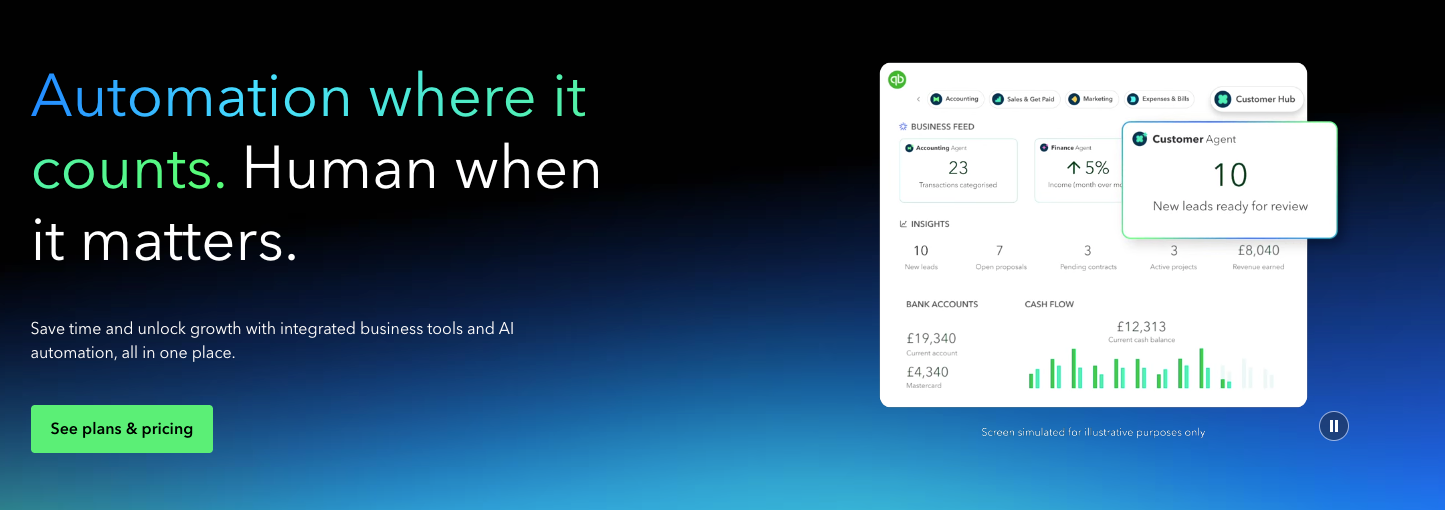
QuickBooks Online is a go-to platform for keeping all your financial data in order – especially when reconciling out-of-pocket expenses. It automatically categorises transactions, integrates with bank feeds and lets finance teams track spend in real time.
We’ve included QuickBooks because it makes it simple to reconcile every receipt, monitor cash flow and reduce manual work, making it a great option for businesses looking to connect employee expenses with accounting records seamlessly.
Pros and key functionalities:
- Automatic expense tracking: Out-of-pocket transactions sync directly from bank accounts and credit cards.
- Real-time reporting: See spend across departments, projects and categories at a glance.
- Customisable workflows: Set rules for approvals, categories and expense policies.
- Clear audit trails: Keep all receipts, invoices and payments organised for easy reporting and compliance.
Reasons to choose QuickBooks:
- User-friendly interface
- Seamless integrations
- Strong customer support
Source: G2
Pricing: QuickBooks offers four pricing tiers, with prices starting at £1.60 per user per month.
3. Xero

Xero is a powerful yet intuitive tool for linking out-of-pocket spend to your wider accounting system. With easy integrations to expense platforms and corporate cards, Xero ensures every purchase – from small office supplies to larger ad hoc expenses – is recorded accurately.
It earns its spot here because it’s ideal for finance teams who want real-time visibility, less manual reconciliation and more control over company spend.
Pros and key functionalities:
- Integrated expense management: Out-of-pocket spend flows smoothly into accounting records.
- Bank feed automation: Transactions automatically imported and categorised, reducing manual entry.
- Up-to-date financial visibility: Track budgets, cash flow and spend in real time.
- Simplified reconciliation: Match receipts and payments effortlessly, eliminating spreadsheet headaches.
Reasons to choose Xero:
- User-friendly accounting tool
- Simple, clean interface
- Excellent bank reconciliation
Source: G2
Pricing: Xero offers four pricing tiers, with prices starting at £2.40 per month for sending quotes and up to 20 invoices.
Business travel and expense (T&E) software
Travel is one of the most common sources of out-of-pocket spend – flights, hotels, taxis, meals – often paid personally and claimed later. Business travel and expense (T&E) software exists to bring order to that chaos. These tools help companies manage bookings, enforce travel policies and capture travel-related expenses in one place. Whether employees are on the road once a year or every week, T&E software makes it easier to stay compliant whilst keeping spend visible.
4. TravelPerk

TravelPerk makes our list because business travel is one of the biggest sources of out-of-pocket spending. Its platform combines booking, policy compliance and expense tracking in one place, so employees don’t have to front costs unnecessarily.
For finance teams, TravelPerk reduces manual reimbursements, provides clear spend visibility and ensures travel expenses are captured accurately in real time, making trips simpler and expenses easier to manage.
And here’s the best part: TravelPerk integrates with Pleo to make business trips plain sailing. Use your Pleo card to make your booking on TravelPerk, and automatically reconcile your expenses and invoices in one place – wherever you are.
Pros and key functionalities:
- End-to-end travel management: Book flights, hotels and rides whilst capturing related expenses automatically.
- Policy enforcement: Ensure spending stays within company guidelines without slowing employees down.
- Real-time expense capture: Travel spend is recorded immediately, reducing out-of-pocket claims.
- Analytics and reporting: Track travel costs, spot trends and make informed decisions.
Reasons to choose TravelPerk:
- Effortless business trip planning
- Flexible payments and customisation
- Easy to navigate
Source: G2
Pricing: TravelPerk offers a free version, with priced tiers starting at £99 per month.
5. Navan (formerly TripActions)
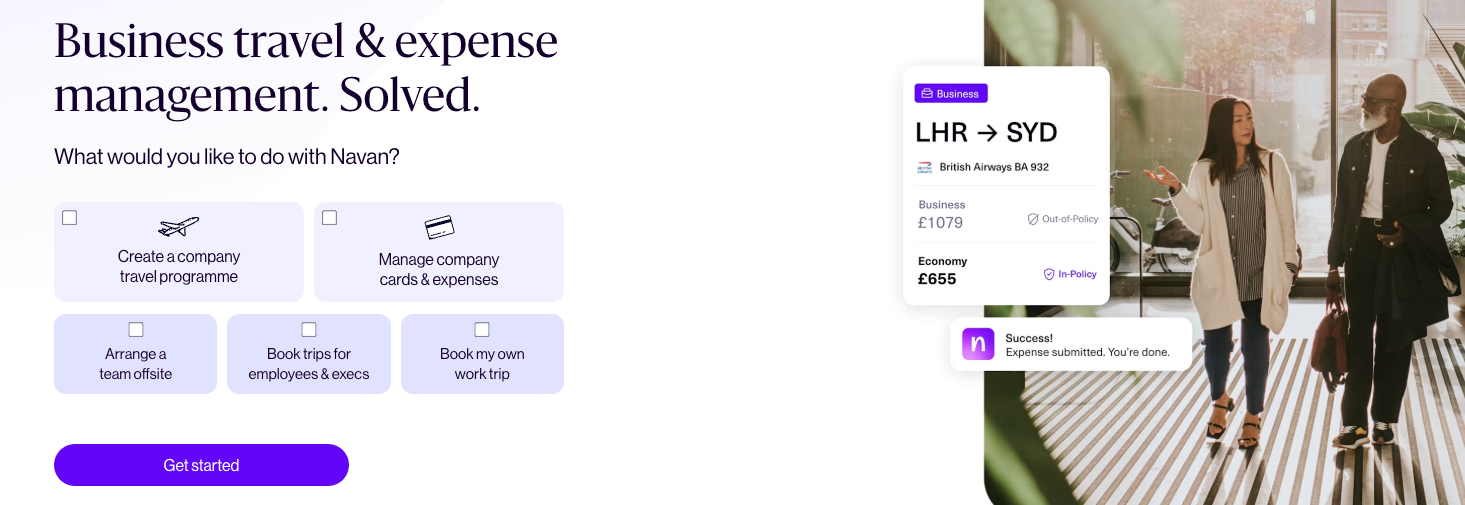
Navan (formerly TripActions) streamlines the entire travel and expense process, helping companies cut down on out-of-pocket claims. Employees can book flights, hotels and rides whilst the system automatically tracks and enforces company policies.
For finance teams, it delivers transparency, faster approvals and real-time reporting. That’s why it makes the cut – it ensures travel spend is controlled and reconciled without the usual back-and-forth.
Pros and key functionalities:
- Unified travel and expense platform: Book trips and capture spend in one place.
- Automatic policy compliance: Enforce rules to prevent overspending before it happens.
- Instant expense tracking: Reduce manual claims and keep finance teams informed.
- Seamless accounting integrations: Sync with ERP and accounting systems for accurate reporting.
Reasons to choose Navan:
- Effortless business travel booking
- Efficient and time-saving solution
- Helpful customer support
Source: G2
Pricing: Navan offers a free version, with quote-based price plans.
Subscription and bill management platforms
Out-of-pocket expenses aren’t always one-off purchases. Sometimes they’re recurring subscriptions quietly charged to personal cards. That’s what subscription and bill management platforms are here to fix. They provide visibility into what’s being paid for, who owns each subscription and whether it’s still being used, ensuring fewer hidden costs, fewer reimbursement claims and better control over recurring spend.
6. Chargebee
Chargebee earns a spot on the list because recurring subscriptions are a hidden source of out-of-pocket spending when employees pay personally for SaaS or tools.
The tool tracks subscriptions, automates billing and gives finance teams visibility into what’s being paid and by whom. By reducing manual tracking and surprise costs, Chargebee simplifies reimbursement processes and helps businesses keep recurring spend under control.
Pros and key functionalities:
- Subscription tracking: See all recurring payments in one central dashboard.
- Automated billing: Reduce manual work and ensure employees aren’t fronting costs unnecessarily.
- Visibility and control: Know who’s paying for what and spot unused or duplicate subscriptions.
- Reports and analytics: Track trends and make smarter financial decisions around subscription spend.
Reasons to choose Chargebee:
- Effortless subscription management
- Responsive customer support
- Smoother compliance
Source: G2
Pricing: Chargebee offers a free version for startups and two priced tiers – an annual subscription for established businesses and a quote-based plan for large businesses and organisations.
7. Zoho Billing
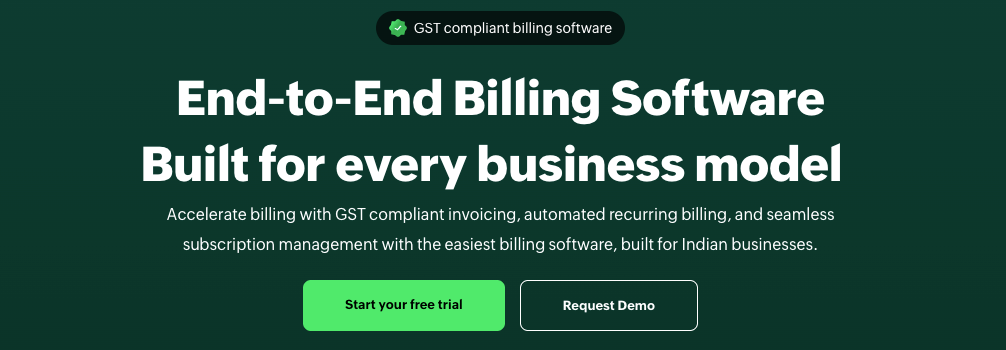
Zoho Billing is a great choice for companies who want to manage recurring payments and subscription-related out-of-pocket costs efficiently. It centralises invoices, tracks payments and automates workflows so finance teams can see exactly where money is going.
We’ve included Zoho Billing because it’s a standout for businesses with multiple subscriptions or recurring bills; it reduces errors, speeds up reconciliation and keeps budgets organised – in short, everything you want it to do.
Pros and key functionalities:
- Centralised billing: Manage invoices, subscriptions and recurring payments in one place.
- Expense visibility: Track recurring costs that could otherwise become out-of-pocket claims.
- Automation: Reduce manual entry with auto-generated invoices and payment reminders.
- Reporting and insights: See spending trends, overdue payments and subscription costs clearly.
Reasons to choose Zoho Billing:
- Seamless integrations
- Flexible pricing plans
- Detailed analytics
Source: G2
Pricing: Zoho Billing offers annual billing, with prices starting at £19 per organisation per month.
What to look for in a tool for managing out-of-pocket expenses
Choosing the right tool to manage out-of-pocket expenses is about reducing friction for employees, giving finance teams real visibility and preventing issues before they happen. The best solutions go beyond recording expenses after the fact: they help businesses take control of spend as it happens.
When evaluating tools, there are a few key capabilities worth prioritising:
- Real-time spend visibility and control: Out-of-pocket expenses are hardest to manage when they’re only visible weeks later. Look for tools that capture spending in real time, apply policies automatically and give finance teams a clear view of where money is being spent – without waiting for month-end.
- Automated expense capture: Manual expense claims are slow, error-prone and frustrating for everyone involved. The right solution should minimise these issues by automatically matching transactions with receipts, categorising expenses and reducing the need for manual data entry.
- Flexible approval workflows and spending rules: Every business operates differently. Choose tools that let you set spending limits, approval flows and policies that adapt to your organisation.
- Seamless integrations with your finance stack: Expense data shouldn’t live in isolation. Strong integrations with accounting, payroll and ERP systems ensure expenses are reconciled accurately, VAT is handled correctly and your financial data stays in sync.
- Clear insights, not just data: The best tools go beyond tracking spend. Look for platforms that surface trends, flag potential issues early and turn expense data into insights that support better decisions across the business.
Ultimately, the right out-of-pocket expense tool should reduce the need for reimbursements altogether, remove manual admin and give both employees and finance teams confidence in how company money is being spent. When done well, it’s not just about saving time: it’s about building a smarter, more transparent approach to business spending.
Final thoughts
Out-of-pocket expenses don’t have to be a necessary evil. With the right tools in place, they can become a well-managed, transparent part of your overall spend strategy, rather than a constant source of admin and frustration.
Whether it’s giving employees a better way to pay, automating reconciliation, managing travel spend or keeping subscriptions under control, today’s out-of-pocket expense tools are designed to work together to remove manual effort and improve visibility.
The key is choosing solutions that fit your business today, and which can scale with you tomorrow. When done well, managing out-of-pocket expenses isn’t just easier. It’s smarter, faster and far more sustainable for everyone involved.