

Global operations have a way of stretching finance teams in unexpected and complex directions. Add multiple legal entities, several currencies, and a steady flow of supplier payments, and cash management quickly becomes more than a back-office routine.
O.S. Energy knows this too well. The offshore service provider operates across borders, currencies, and entities, where liquidity needs to be visible, accessible, and precise at all times.
In our recent conversation, Henrik Fröhlich, Finance Director at O.S. Energy, shares how his team rethought the way they manage cash as a business where visibility and precision are top priorities. He dives into the hidden cost of FX fees, the daily friction of navigating multiple systems, and what changed once cash was brought into one clear, consolidated view.
What does O.S. Energy do, and what sits on your desk as Finance Director?
Henrik: We’re a family-owned service provider to the offshore industry. We are headquartered in Glückstadt, Germany, with additional offices in Flensburg (Germany), Esbjerg (Denmark), and Newcastle (UK). We own 10 and operate 14 specialised multi-purpose service vessels, and we support them with our own marine and technical engineers.
We deliver customised and cost-efficient service solutions tailored to the specific demands of the offshore industry. Over the past 20 years, we have worked successfully on almost all offshore wind farms and projects across both the North Sea and the Baltic Sea.
As the Finance Director, I’m responsible for everything finance-related across the group. That means overseeing multiple legal entities in different countries and currencies. Cash and liquidity management are a big part of that. When you operate vessels like this, you need a very clear picture of where your money is at any given moment. Without that visibility, things get uncomfortable quite quickly.
When it comes to your finance stack, where does Pleo sit alongside your accounting system?
Henrik: We use DATEV for bookkeeping, which is widely used in Germany. Pleo integrates directly with it, so I can export data straight into DATEV without having to tweak or rework anything.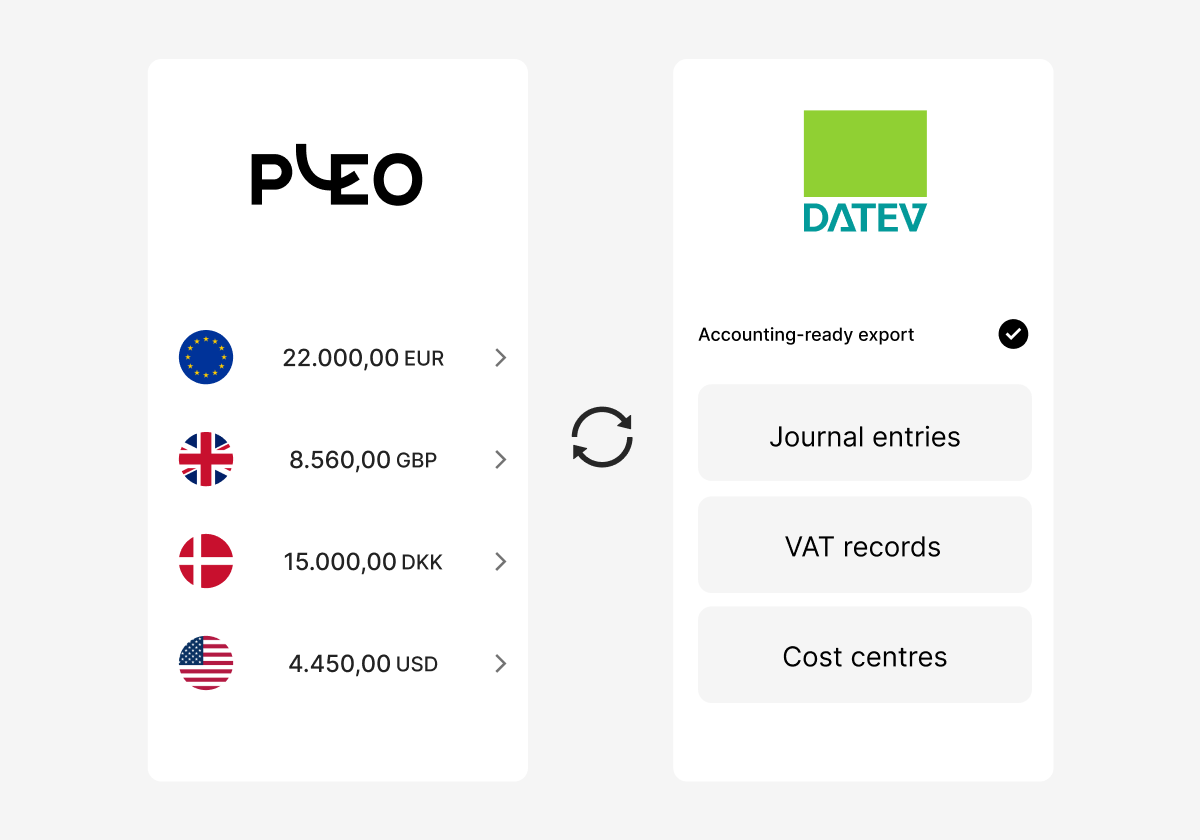
That connection removes a surprising amount of friction. The data transfers cleanly, which makes reconciliation straightforward. Instead of spending time correcting or reformatting entries, we can focus on reviewing and validating.
Another great thing—it fits into the way we already operate. We didn’t have to change our structure to make the software work, and that makes everyday finance noticeably smoother.
Before Pleo, what did managing liquidity look like for you?
Henrik: It was largely about chasing clarity. Each vessel operates as its own company, so I need to monitor cash levels daily to ensure there’s enough to cover invoices, chartering costs, and ongoing expenses. Previously, that meant logging into multiple bank accounts across Germany and Denmark just to understand our overall position.
Even on a good day, that would take at least half an hour. And that was just to see the numbers. If I then needed to move funds, that was another step.
The work itself wasn’t complex. It was repetitive, and that’s where small errors tend to creep in.
What did you find when you looked at your FX costs?
Henrik: When we calculated it conservatively, we realised we were paying a high four-figure sum, maybe even a low five-figure sum each year.
Because we move regularly between euros and Danish kroner, those costs don’t feel dramatic in isolation. They’re small percentages each time. But over the course of a year, they add up enough to make you question whether the setup still makes sense.
You initially adopted Pleo for cards and invoices. What made you decide to extend into Cash Management as well?
Henrik: Yes, at first I was simply looking for a better way to handle cards and invoices.
When I realised Pleo could also manage cash across entities and currencies, the decision became obvious. We already operate in multiple countries, so having invoices in one system, cards in another, and cash somewhere else felt unnecessarily fragmented.
With Pleo, everything sits in one place. Once you see your cards, invoices, and cash together, it’s hard to justify splitting them across different tools ever again.
What changed operationally once you made the switch?
Henrik: The difference was immediate. Our currency conversion costs dropped, and moving funds between Danish kroner and euros now happens instantly, which gives us confidence when managing liquidity.
Previously, our German accounting system did not always integrate smoothly with Danish banks, so we often had to work around technical limitations.
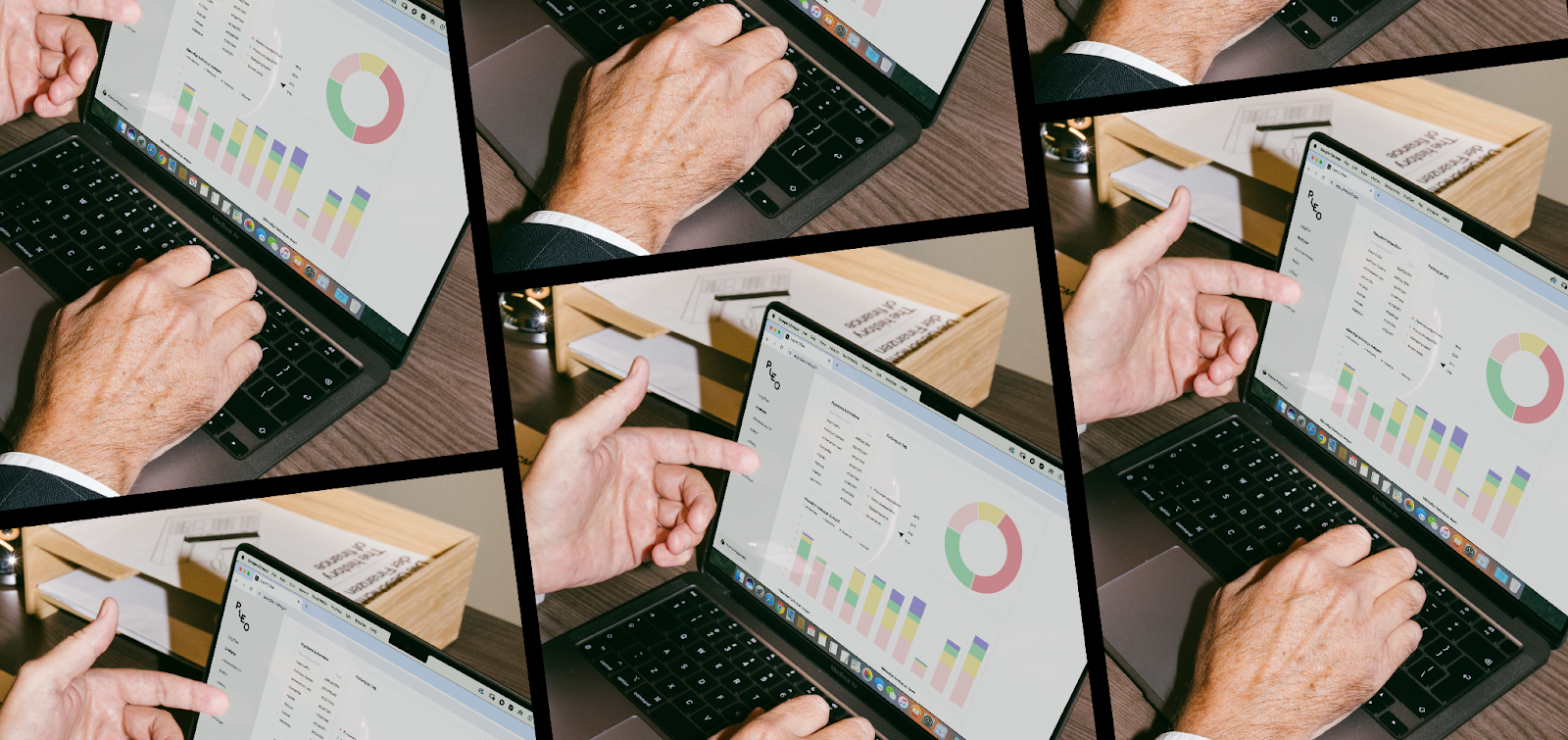
Now I can see our full liquidity position in one place and act straight away. We’re no longer jumping between systems throughout the day, and that alone makes the work much more straightforward.
How would you describe the overall value that Pleo’s multi-currency setup brings to your organisation?
Henrik: For me, the value sits in two areas.
First, the measurable financial benefit. The savings on currency conversion are significant enough to stand on their own.
Second, and just as important, is the impact on how we work. Not having to move between different systems all day reduces a lot of small frustrations. You stay focused. You complete tasks in one flow instead of in fragments.
That improved focus has real value for the organisation. It’s visible in the numbers, but you also feel it in the way the finance function operates day to day.
.png?width=1656&height=1080&name=Header%20(1).png)
For O.S. Energy, having a consolidated view of their cash across entities and currencies transformed a fragmented process into a coherent one, where movement, control, and oversight align.
If your current structure relies on multiple banks, accounts, manual transfers, and cross-system reconciliation, discover what Pleo’s Cash Management suite can do for you.